

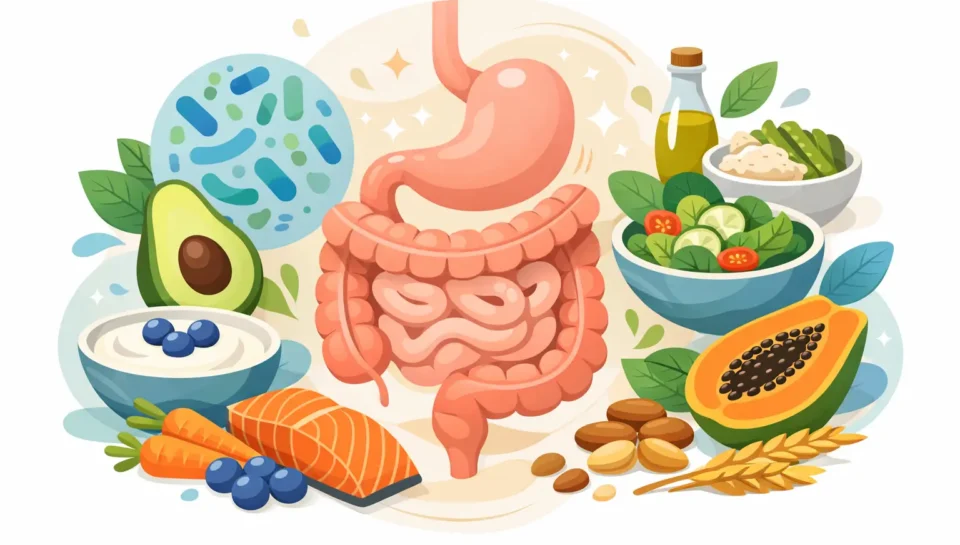
Bloating after meals, sluggish bowels, a sense that your stomach is never quite settled – these are often signs that the gut needs support rather than stricter rules. When people ask about the best foods for digestive health, they are often hoping for one magic answer. In practice, the most helpful approach is gentler and wiser than that. The digestive system responds best to regular nourishment, variety, and foods that work with the body rather than against it.
A healthy gut is not only about avoiding discomfort. Digestion influences energy, mood, immunity, hormonal balance, skin health, and how well we absorb the nutrients we eat. That is why food choices matter so much. The right foods can help encourage regular bowel movements, nourish beneficial gut bacteria, calm irritation, and support the natural rhythm of digestion.
What makes the best foods for digestive health so effective?
The foods that tend to support digestion well usually do one or more of three things. They provide fibre to help waste move through the bowel, they offer compounds that feed beneficial bacteria, or they supply natural enzymes and soothing nutrients that help the digestive tract do its work more comfortably.
This does not mean every so-called healthy food will suit every person. Someone with constipation may benefit from more flaxseeds and cooked vegetables, while a person with active IBS may need to be more selective for a time. Digestive healing is rarely about forcing down foods that make you feel worse. It is about learning what your body can tolerate, then building from there.
1. Cooked vegetables
If your digestion has been unsettled for some time, cooked vegetables are often easier to manage than large raw salads. Steamed carrots, courgettes, green beans, squash, spinach and broccoli can provide fibre, water, vitamins and minerals in a form that is gentler on the gut.
Cooking helps soften plant fibres, which can make food easier to break down and less likely to leave you feeling distended. For many people, especially those with bloating or sluggish digestion, this simple shift can bring relief surprisingly quickly. Variety matters here. The gut thrives on different plant compounds, so rotating your vegetables through the week is often more helpful than eating the same two every day.
2. Oats
Oats are one of the most dependable foods for digestive support. They contain a type of soluble fibre called beta-glucan, which helps form a soothing gel in the digestive tract. This can support bowel regularity and may also help beneficial bacteria flourish.
A warm bowl of porridge is often better tolerated than cold breakfast cereals, particularly first thing in the morning when digestion may feel sluggish. If your gut is sensitive, keep toppings simple at first. Stewed apple, cinnamon or a spoonful of ground flaxseed can be enough.
3. Ground flaxseeds
Ground flaxseeds can be particularly useful where constipation, hormonal shifts and dry stools are part of the picture. They provide both fibre and healthy fats, helping to add bulk and softness to the stool. Many women over 30 find flaxseeds especially supportive during times of hormonal change, when digestion can become more unpredictable.
The key is to use them ground rather than whole, so the body can access their benefits. Start with a small amount, such as one teaspoon daily, and drink enough water alongside them. More is not always better. Taken too quickly or in large amounts, fibre can worsen bloating rather than improve it.
4. Live natural yoghurt and kefir
Fermented dairy foods such as live natural yoghurt and kefir can help introduce beneficial bacteria into the gut. For some people, they are among the best foods for digestive health because they support microbial balance, which can influence everything from bowel habits to inflammation.
That said, tolerance varies. If you are sensitive to dairy, histamine, or certain ferments, these foods may not be the right starting point. In those cases, a practitioner-led approach can help identify whether the issue is the food itself, the quantity, or a deeper imbalance that needs attention.
5. Sauerkraut and other fermented vegetables
A small forkful of raw sauerkraut or fermented vegetables before or with a meal can support digestion in some individuals by providing beneficial bacteria and stimulating digestive secretions. These foods can be powerful, so a little goes a long way.
This is where nuance matters. Fermented foods are often praised as universally good, but if you are already bloated, reactive, or prone to histamine symptoms, they may aggravate things. Healing the gut is not about following trends. It is about choosing what nourishes your body in its current state.
6. Ginger
Ginger is less a food group and more a practical digestive ally. Fresh ginger in hot water, added to soups, or grated into meals can support motility and help ease feelings of nausea, heaviness and post-meal discomfort.
It is especially helpful when digestion feels cold, slow or stagnant. From a more traditional perspective, warming foods and spices can encourage movement and improve digestive comfort. Not everyone needs large amounts, but used wisely, ginger can make meals easier to digest.
7. Bananas
Bananas are often one of the simplest foods to tolerate when the digestive system is under strain. They provide soluble fibre and are gentle on the stomach, making them useful during recovery from irritation or when appetite feels low.
Slightly firmer bananas contain more resistant starch, which can help feed beneficial gut bacteria. Very ripe bananas may be easier to digest for some people but can be too sweet for others. Again, it depends on the individual. A food can be healthy and still not be right for you every day.
8. Apples and stewed pears
Apples and pears contain pectin, a type of soluble fibre that can support bowel health and beneficial bacteria. Raw apples suit some people well, but stewed apples or pears are often much kinder to a sensitive gut.
This is one of those traditional foods that has stayed useful for good reason. Warm, stewed fruit can support regularity without being harsh, and it feels nourishing rather than medicinal. For people trying to heal their relationship with food as well as their digestion, that matters.
9. Pulses, when tolerated
Lentils, chickpeas and beans can be excellent for digestive health because they provide fibre and prebiotics, which help feed the gut microbiome. Over time, they may support better bowel function and a more resilient digestive system.
But tolerance is everything. If pulses leave you painfully bloated, it does not mean you have failed. It may simply mean your gut needs a slower introduction, smaller portions, better preparation, or a period of healing first. Soaking, rinsing and cooking them well can make a real difference.
10. Bone broth and simple soups
When digestion feels fragile, simple soups and broths can offer nourishment without overloading the system. A well-made broth or vegetable soup can be hydrating, soothing and easy to digest, especially during periods of stress, illness or recovery.
This can be particularly helpful for people who have spent years swinging between restriction and overeating because their symptoms leave them unsure what to eat. Gentle meals help restore trust in the body. Sometimes the gut needs calm and consistency more than it needs dietary perfection.
How to build meals around the best foods for digestive health
Rather than chasing superfoods, think in terms of rhythm. A warm breakfast, a balanced lunch, enough water, and meals eaten in a calmer state will often do more for digestion than expensive supplements used on top of hurried habits.
Try building your plate around cooked vegetables, a source of protein, and some fibre-rich carbohydrate such as oats, brown rice or a small portion of pulses if they suit you. Add fermented foods carefully rather than all at once. Notice how you feel after meals, not just what the label says about the food.
It is also worth remembering that digestive health is shaped by more than ingredients. Stress, eating too quickly, poor sleep, unresolved food sensitivities, low stomach acid, and hormonal changes can all influence symptoms. This is why some people eat a very clean diet and still feel uncomfortable. The body needs the whole picture to be considered.
If certain foods repeatedly trigger bloating, constipation, reflux or irregular bowels, it may be time to look beyond general advice. At Ask Nutrition, this wider view is central – understanding the individual, not just the symptom. That is often where meaningful change begins.
The best digestive diet is rarely the most fashionable one. It is the one that helps you feel lighter, calmer, more regular and more nourished over time. Start with simple foods, introduce change gently, and let your body show you what support truly feels like.