

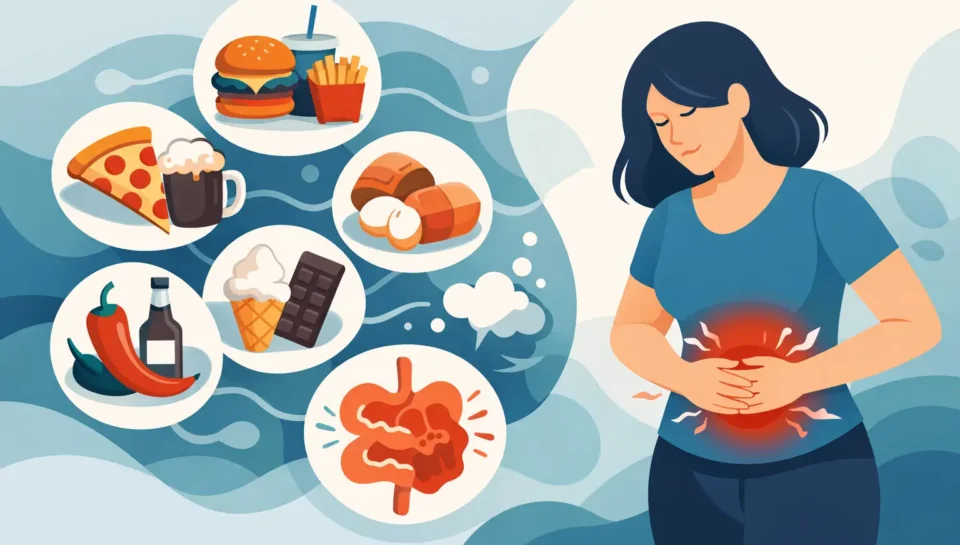
One day it is a bowl of pasta that leaves you bloated by mid-afternoon. Another day it is a seemingly healthy smoothie, a handful of nuts, or your usual morning coffee. If you are trying to make sense of foods that trigger IBS symptoms, you will already know how frustrating that pattern can be. The hard part is that IBS is rarely about one single food being universally “bad”. More often, it is about how your gut responds to a combination of foods, stress, hormones, meal timing, and your own underlying digestive resilience.
That is why a gentle, informed approach matters. Restricting everything at once can leave you anxious around food and no closer to understanding your body. A much better place to begin is with the most common culprits, then look at how they affect you personally.
Why foods that trigger IBS symptoms are not the same for everyone
IBS is a functional digestive condition, which means the bowel can become reactive even when standard tests show no obvious structural problem. You may experience bloating, pain, constipation, diarrhoea, urgency, trapped wind, or a mixture of all of them. For many people, the gut is more sensitive to stretching, fermenting foods, irregular eating, and nervous system stress.
This is where confusion often sets in. Two people can eat the same meal and have completely different outcomes. One may feel perfectly well, while the other feels distended, uncomfortable, and exhausted for hours. That does not mean the symptoms are imagined. It means the digestive system is giving very individual feedback.
Food intolerances, changes in gut bacteria, poor stomach acid, sluggish bowel motility, previous infections, emotional strain, and hormonal fluctuations can all shape your tolerance. This is especially true for women whose digestion changes around the menstrual cycle, perimenopause, or times of high stress.
Common foods that trigger IBS symptoms
Some foods appear again and again in IBS conversations because they are harder to digest, more fermentable, or more stimulating to the bowel. That said, the dose matters. A small amount may be fine, while a large portion tips the gut into discomfort.
Onions, garlic and other high-FODMAP foods
Onions and garlic are among the most frequent triggers. They contain fermentable carbohydrates that feed gut bacteria quickly, which can create gas and bloating in a sensitive bowel. Many people are surprised by this because these foods are often seen as healthy, and they are. But healthy does not always mean easy to tolerate when the gut is inflamed or reactive.
Other high-FODMAP foods can include apples, pears, cauliflower, mushrooms, pulses, some sweeteners, and certain dairy products. These foods are not inherently harmful. The issue is that they can ferment rapidly in the gut and cause symptoms in people with IBS.
Dairy products
Milk, soft cheese, ice cream, and creamy sauces can be difficult if lactose is part of the problem. In some cases it is not lactose alone, but the richness of the food, the quantity eaten, or the combination with other triggers in the same meal.
Yoghurt and kefir are often tolerated better, but not always. It depends on the person, the product, and the state of the gut lining. Assuming all dairy is either good or bad tends to miss that nuance.
Wheat and heavily processed carbohydrates
Some people with IBS notice bloating, discomfort, or altered bowel habits after bread, pasta, pastries, and cereals. Sometimes the problem is wheat itself. Sometimes it is the fructans in wheat, and sometimes it is the speed at which processed foods are eaten and digested.
A sandwich grabbed on the go, eaten under pressure, may create more digestive upset than a slower, balanced meal that contains a small portion of a similar ingredient. The nervous system plays a larger part in IBS than many people realise.
Beans, lentils and pulses
Pulses can be nutritious and supportive for many people, yet they are also a very common source of wind and bloating. Their fibre and fermentable carbohydrate content can overwhelm a gut that is already struggling.
Preparation makes a difference. Soaking, rinsing, cooking thoroughly, and starting with small amounts may improve tolerance. If they cause significant symptoms, it may be a sign that your gut needs settling before they are reintroduced.
Fatty and fried foods
Rich meals can trigger cramps, looseness, nausea, or heaviness, particularly in people whose IBS tends towards diarrhoea. Fried foods, creamy takeaways, processed meats, and very buttery dishes can all stimulate the bowel in a way that feels too abrupt.
This does not mean you need to fear fats. Olive oil, oily fish, seeds, avocado, and nuts can still have a place. The issue is often quantity, quality, and how much digestive support your body currently has.
Caffeine, alcohol and fizzy drinks
Coffee is a major trigger for some people because it stimulates bowel activity and can heighten urgency. For others, one small cup is manageable, especially when taken with food rather than on an empty stomach.
Alcohol can irritate the gut lining, alter bowel motility, and increase inflammation. Fizzy drinks may worsen bloating simply because they add gas to an already sensitive digestive system. Again, the response is rarely identical from person to person.
Artificial sweeteners and sugar alcohols
Sweeteners such as sorbitol, mannitol, and xylitol, often found in sugar-free products, can be particularly troublesome. They may cause bloating, wind, and diarrhoea even in people without IBS, so in a reactive gut they can be especially uncomfortable.
Protein bars, chewing gum, low-sugar sweets, and “diet” products are common places these ingredients hide. When symptoms seem random, these less obvious triggers are worth checking.
It may not just be the food
Many people become convinced they need a longer and longer list of foods to avoid, when part of the problem lies elsewhere. Eating late at night, skipping meals, wolfing food down at your desk, or eating while anxious can all affect digestion. So can poor sleep and chronic stress.
The gut and nervous system are closely connected. If your body is stuck in a stress response, digestion is often compromised. You may produce less digestive juice, feel more sensitive to gas and bowel movement, and react to foods that would normally be tolerated.
That is one reason holistic support matters. At Ask Nutrition, this whole-person view is central – not just what is on the plate, but what is happening in the body and mind around it.
How to identify your personal triggers without becoming fearful of food
Start by looking for patterns rather than blaming the last thing you ate. A simple food and symptom diary for two to three weeks can be very helpful. Note what you ate, when you ate, portion size, stress levels, bowel changes, sleep, and where you are in your cycle if relevant.
This often reveals more than expected. You may notice that garlic is only a problem in the evening, that coffee is fine after breakfast but not on an empty stomach, or that bloating worsens after rushed meals rather than specific foods alone.
If you suspect several triggers, avoid making dramatic cuts without guidance. Over-restriction can reduce dietary variety, affect gut bacteria, and create unnecessary worry. A short-term, structured elimination can be useful, but it should always have a clear purpose and a plan for reintroduction.
When food intolerance testing and professional support can help
If symptoms are ongoing, confusing, or affecting your confidence around eating, professional support can save a great deal of guesswork. This is particularly true if you have already removed multiple foods and still feel unwell.
A practitioner can help you look beyond surface triggers and consider whether there may be food sensitivities, constipation hidden beneath bloating, poor digestive function, stress-related gut symptoms, or wider hormonal influences. Testing may be appropriate in some cases, but it works best when interpreted alongside your full health picture, not in isolation.
The goal is not to create a life of permanent restriction. It is to understand what your body is asking for, reduce the burden on the gut, and rebuild confidence in eating.
Gentle first steps if you suspect IBS food triggers
Begin with the obvious patterns. Reduce very rich meals, excess caffeine, fizzy drinks, and large amounts of onion, garlic, and processed foods for a couple of weeks. Eat more slowly, chew well, and keep meals regular. Notice whether cooked foods feel easier than raw ones, and whether smaller portions improve comfort.
Then pause and assess. If symptoms ease, you have learned something valuable. If they do not, that is useful too, because it suggests the picture may be more complex than food alone.
Your digestive system is not trying to make life difficult. It is communicating, sometimes rather loudly, that it needs support. With the right guidance, patience, and a personalised approach, it is entirely possible to move away from daily guesswork and towards a calmer, more trustworthy relationship with food.