

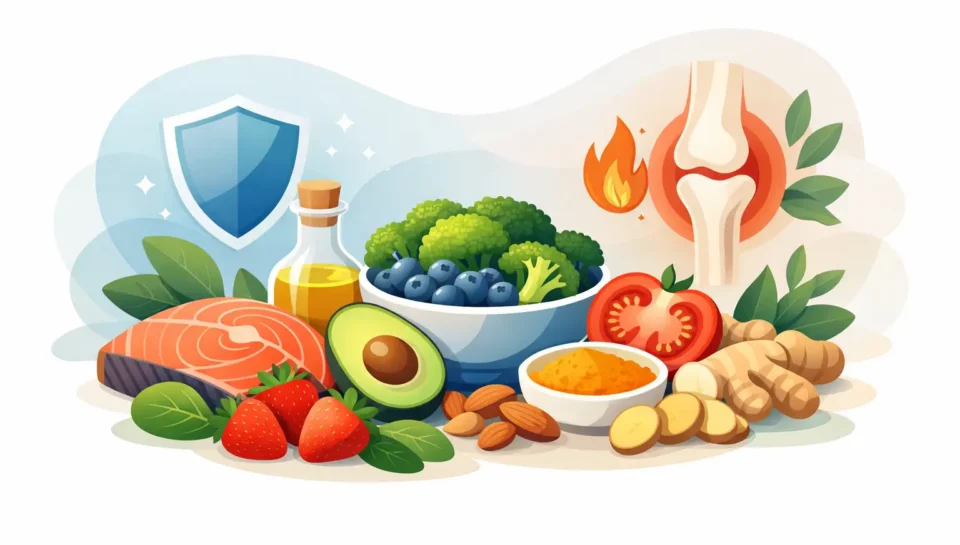
You can eat a very “healthy” diet on paper and still feel puffy, sluggish, achy or uncomfortable after meals. That is often the missing piece in conversations about the best foods for reducing inflammation – not just what looks healthy, but what genuinely works for your body, your digestion and your day-to-day life.
Inflammation is not always the enemy. It is part of the body’s natural repair response. The problem begins when that response becomes persistent, low grade and woven into everyday symptoms such as bloating, skin flare-ups, joint stiffness, headaches, fatigue or unsettled bowels. Food can help calm that picture, but it rarely comes down to one miracle ingredient. More often, it is a pattern of eating that supports the gut, steadies blood sugar and reduces the burden on an already stressed system.
Why food matters when inflammation stays switched on
When inflammation becomes ongoing, the body often gives quieter signals before anything dramatic appears. You may notice more fluid retention, increased cravings, poor concentration, heavier periods, disrupted sleep or a sense that your digestion is working harder than it should. For many people, especially women navigating hormonal change, these signs can build gradually and be dismissed for years.
Food influences this process in several ways. It can either help regulate the immune system and nourish the gut lining, or it can aggravate irritation through excess sugar, ultra-processed ingredients, alcohol, repeated food triggers and erratic eating habits. That is why anti-inflammatory eating is not about perfection. It is about lowering the overall load on the body so healing has a chance to take place.
Best foods for reducing inflammation and supporting recovery
The foods below are helpful because they offer nutrients that tend to calm inflammatory pathways, support digestion or protect cells from excess oxidative stress. That said, even the healthiest food can be unhelpful if it does not suit your body. If you regularly react to something on this list, that matters.
Oily fish
Salmon, sardines, mackerel and herring are rich in omega-3 fats, which are well known for their anti-inflammatory effect. These fats can be particularly supportive for people with joint discomfort, dry skin, cardiovascular risk factors or hormone-related inflammation.
The quality matters here. A portion of oily fish two or three times a week is a reasonable place to start. If fish is not realistic for you, this may be one of the areas where personalised advice is useful rather than simply guessing with supplements.
Berries
Blueberries, raspberries, blackberries and strawberries are packed with polyphenols, which help protect the body from inflammatory damage. They are also gentler on blood sugar than many sweeter snacks, making them useful for energy dips and cravings.
Frozen berries are absolutely fine and often more practical than fresh. Stir them into porridge, add them to live yoghurt or simply have a handful with nuts if you need something quick.
Leafy greens
Spinach, rocket, watercress, kale and Swiss chard provide folate, magnesium, vitamin C and a wide range of plant compounds that support detoxification and tissue repair. Many people do better with these lightly cooked rather than raw, especially if they are prone to bloating.
This is a good example of where trends can miss the point. A huge raw salad may look virtuous, but if your digestion is fragile, a warm bowl of wilted greens with olive oil may be more healing.
Extra virgin olive oil
A staple of Mediterranean-style eating, extra virgin olive oil contains beneficial fats and polyphenols that help reduce inflammatory activity. It is also one of the simplest changes to make in an ordinary kitchen.
Use it in dressings, over steamed vegetables or drizzled on soups after cooking. It is less helpful when your overall diet is still heavily processed, but as part of a balanced approach it earns its place.
Ginger and turmeric
These two are often mentioned together for good reason. Ginger can support digestion, reduce nausea and gently ease inflammatory discomfort. Turmeric contains curcumin, a compound linked with anti-inflammatory benefits.
They are not a cure-all, and turmeric in tiny amounts sprinkled occasionally is unlikely to create dramatic change. Used regularly in soups, stews, herbal teas or curries, they can become part of a supportive routine. Some people also find ginger particularly soothing when inflammation is tied to sluggish digestion.
Nuts and seeds
Walnuts, almonds, chia seeds, flaxseeds and pumpkin seeds provide healthy fats, fibre and minerals that support both gut and immune health. Ground flaxseed is especially useful for some women dealing with hormonal shifts, constipation or inconsistent bowel habits.
Portion size matters, because nuts are nutrient dense but easy to overeat. A small handful or a spoonful of seeds added to breakfast is usually enough.
Colourful vegetables
Red peppers, beetroot, carrots, tomatoes and purple cabbage all bring different antioxidant compounds to the plate. The more colour variety you eat across a week, the broader the range of protective nutrients you are likely to take in.
Cooked vegetables often work better than raw for people with digestive sensitivity. Roasting, steaming and slow cooking can make these foods far easier to tolerate.
Beans and lentils
These are excellent for feeding beneficial gut bacteria, which play a central role in regulating inflammation. They also support satiety and more stable blood sugar levels.
However, this is one of those it-depends foods. If your gut is irritated, beans may worsen bloating at first. Starting with small portions of well-cooked lentils or blended soups is often gentler than eating a large bean-heavy meal.
Green tea
Green tea contains catechins, natural compounds associated with anti-inflammatory and antioxidant effects. For people trying to cut back on sugary drinks or too much coffee, it can be a calming alternative.
If caffeine does not suit you, choose the time of day carefully or use decaffeinated green tea. A food is only helpful if it works with your nervous system as well as your digestion.
Live fermented foods
Natural yoghurt, kefir, sauerkraut and kimchi can support the gut microbiome, which in turn influences immune balance and inflammation. This area is promising, but more is not always better.
If your gut is very reactive, fermented foods can be too much initially. A teaspoon or two alongside meals may be enough. For some people with histamine issues, these foods are not the right fit, which is why a personalised approach matters.
Avocado
Avocado offers fibre, potassium and anti-inflammatory fats. It is satisfying, easy to include in meals and helpful for reducing reliance on more processed spreads and snacks.
It also pairs well with blood sugar balancing meals, especially at lunch. That can indirectly help inflammation by reducing energy crashes and stress-related eating later in the day.
Herbs and spices
Parsley, coriander, rosemary, cinnamon and garlic all add flavour alongside useful plant compounds. This matters more than people realise. Building anti-inflammatory meals does not need to be restrictive or bland.
A kitchen that uses herbs and spices generously often supports healthier eating naturally, because meals feel more satisfying without leaning on sugar or processed sauces.
What to reduce if you want these foods to work
Adding good foods on top of an inflammatory diet rarely brings the full benefit. If meals are still dominated by refined sugar, frequent alcohol, deep-fried foods, processed meats and ultra-processed snacks, the body may remain stuck in a cycle of irritation.
That does not mean never having treats. It means paying attention to patterns. A biscuit with tea is different from running on pastries, crisps and takeaway meals while wondering why your joints ache and your stomach feels unsettled. Gentle honesty is often more useful than strict rules.
How to make the best foods for reducing inflammation part of real life
Start with rhythm before perfection. Regular meals, enough protein, good hydration and slower eating can calm the system more than an expensive cupboard full of powders. Once that foundation is there, anti-inflammatory foods tend to work better.
Think in simple combinations. Porridge with berries and seeds. A soup with lentils, greens and olive oil. Grilled salmon with roasted vegetables. Natural yoghurt with cinnamon and chopped walnuts. These are not dramatic wellness fixes. They are the kinds of meals that help the body feel safe enough to repair.
If you suspect specific foods are triggering symptoms, do not ignore that. Some people react to gluten, dairy, eggs or even certain healthy foods because the underlying gut environment is already inflamed. In practice, reducing inflammation often means combining nourishing foods with careful investigation of intolerances, digestion and stress.
At Ask Nutrition, this is where a whole-person view can make all the difference. The goal is not simply to hand over a list of approved foods, but to understand why your body may be inflamed in the first place and what support it is asking for.
Healing usually begins with quieter choices repeated consistently. Choose foods that nourish, notice what your body is telling you, and allow the process to be supportive rather than punishing.