

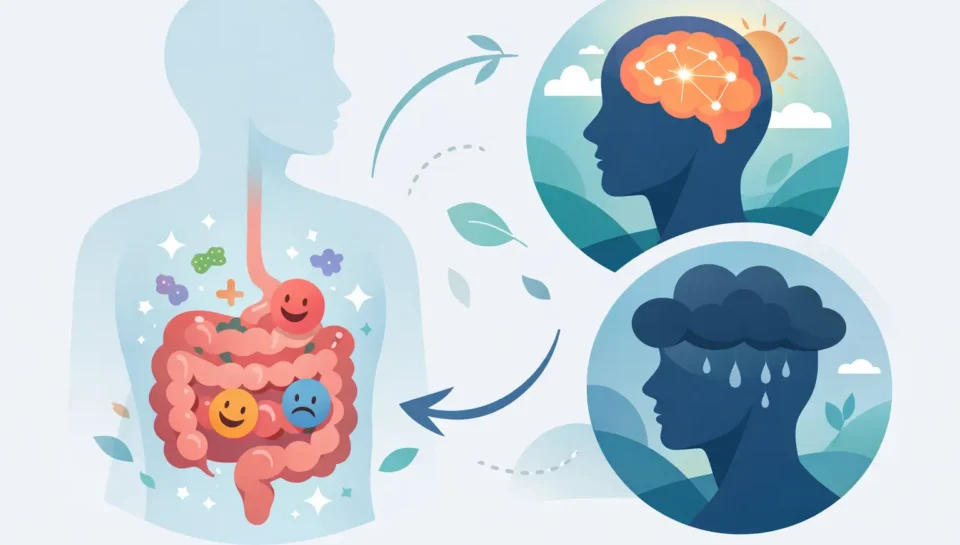
You may have noticed it yourself – when your digestion is unsettled, your mood often follows. Bloating, constipation, loose stools, food reactions or that heavy feeling after meals can leave you feeling irritable, flat, anxious or simply not yourself. So when people ask, can gut health affect mood, the honest answer is yes, and often more than they realise.
This is not about suggesting that every low mood starts in the digestive tract, or that food alone explains emotional wellbeing. Human health is more complex than that. But the gut and the brain are in constant conversation, and when that relationship is strained, both physical and emotional symptoms can appear.
Can gut health affect mood through the gut-brain connection?
The digestive system is closely linked with the nervous system. This connection is often called the gut-brain axis, but in practice it simply means that what happens in the gut can influence how you feel mentally and emotionally, and stress can influence how you feel physically in the gut.
Your digestive tract contains millions of nerve cells and is heavily involved in the production and regulation of chemical messengers that affect mood, sleep, appetite and resilience. It also plays a central role in immune activity and inflammation, both of which can influence the way the brain functions.
When the gut is under strain, the signals being sent around the body can shift. For some people that may show up as anxiety, irritability, poor concentration or a sense of emotional fragility. For others, it can be a persistent feeling of being low, tired and out of balance, even when life on the surface seems manageable.
Why gut imbalances can change how you feel
One of the clearest reasons mood can be affected is inflammation. If the digestive system is irritated by poor diet, ongoing stress, food intolerances, infection or imbalance in gut bacteria, the body may remain in a low-grade inflammatory state. That can affect energy, sleep quality, mental clarity and emotional steadiness.
Blood sugar is another common piece of the picture. If meals are irregular, heavily processed or low in protein and fibre, energy can swing sharply through the day. Many people experience this as feeling shaky, tearful, snappy or anxious, without realising that unstable blood sugar may be contributing.
Then there is absorption. Even when someone is eating well, poor digestion can mean they are not properly absorbing nutrients needed for the nervous system to function well. B vitamins, magnesium, iron, zinc and essential fats all support mood in different ways. If digestion is compromised, mood can suffer quietly in the background.
Food intolerances can also play a role. This is not always dramatic or immediate. Sometimes the reaction is delayed and shows up as bloating, headaches, fatigue, skin issues, brain fog or mood changes over time. In practice, many people live with a low level of discomfort for years and begin to think it is normal.
Stress works both ways
If you have ever felt butterflies before a difficult conversation, you already know the brain affects the gut. Stress can slow digestion, alter bowel habits, increase stomach acid, affect appetite and change the balance of bacteria in the digestive tract.
The difficulty is that this can become a loop. Stress disrupts digestion, poor digestion affects mood, and a lower mood makes it harder to cope with stress. Over time, that pattern can leave people feeling stuck and disconnected from their usual sense of wellbeing.
This is why a truly supportive approach looks at both sides of the equation. Looking only at symptoms in the gut may miss the emotional load a person is carrying. Looking only at mood may miss the physical triggers keeping the body under strain.
Common signs that the gut may be influencing mood
The signs are not always obvious at first. Some people only join the dots when they look back over several months or years. You might suspect a gut-mood connection if you notice digestive symptoms alongside anxiety, low mood, irritability, poor sleep, brain fog, low motivation or strong cravings.
For women over 30, this can become even more relevant. Hormonal changes, busy schedules, poor sleep, long-term stress and a history of restrictive dieting can all affect digestion and emotional resilience at the same time. It is not unusual for symptoms to be blamed on hormones alone when the gut also needs attention.
That said, not every emotional symptom is driven by digestion. Relationship pressures, grief, trauma, work stress, menopause, thyroid issues and many other factors can shape mood. A caring practitioner will never reduce your experience to one simple cause. The aim is to understand your whole picture, not force your symptoms into a neat theory.
What helps when mood and digestion are both out of balance
The first step is usually not a dramatic elimination plan or a long list of supplements. More often, it starts with slowing down and getting clear on patterns. When do symptoms happen? Which foods seem to leave you feeling heavy, foggy or uncomfortable? Are you eating in a rushed state? Is stress affecting your appetite or digestion?
Regular meals can make a meaningful difference, especially if blood sugar swings are part of the problem. Meals built around whole foods, good-quality protein, healthy fats and fibre tend to support steadier energy and a calmer nervous system. Hydration matters too, particularly if constipation is contributing to discomfort and sluggishness.
For some people, identifying food intolerances can be a turning point. If a food is creating repeated irritation in the body, removing it for a suitable period may reduce digestive distress and improve mental clarity. This needs to be done carefully. Over-restricting the diet can create more stress, and that is rarely helpful.
Supporting the nervous system is just as important as supporting the digestive tract. Eating while sitting down, chewing well, stepping away from screens, improving sleep habits and making room for gentle movement can all help shift the body out of survival mode. Digestion works best when the body feels safe enough to rest and receive nourishment.
In holistic practice, we often see the greatest changes when people feel listened to properly. That matters because the gut is deeply responsive to stress, emotion and life experience. Sometimes a person does not need a harsher regime. They need a more intelligent, compassionate plan.
Can gut health affect mood enough to warrant professional support?
Yes, particularly if symptoms are ongoing, confusing or affecting daily life. If you are regularly dealing with digestive discomfort alongside low mood, anxiety, fatigue or brain fog, it is worth exploring the connection with a qualified practitioner who takes a whole-person view.
Professional support can help you identify whether food intolerances, poor digestive function, stress patterns, lifestyle habits or deeper imbalances may be involved. It can also help you avoid guesswork. Many people spend years trying random diets, cutting out more and more foods, or taking supplements that do not address the real issue.
At Ask Nutrition, this whole-person approach is central. The goal is not to chase isolated symptoms, but to understand what your body has been trying to communicate and support you in a way that feels grounded, practical and sustainable.
A more realistic way to think about healing
If your mood improves when your digestion improves, that does not mean the problem was ever “all in your gut”. It means the body works as an integrated system. When digestion is calmer, inflammation may reduce, nutrient absorption may improve, sleep may deepen and your nervous system may feel less burdened. That creates better conditions for emotional balance.
Healing is rarely linear. Some people notice a shift within weeks of changing food habits or identifying a trigger. Others need longer, especially if symptoms have been present for years. What matters is not chasing perfection, but moving towards steadier energy, clearer thinking and a more settled relationship with your body.
If you have been wondering whether your digestive symptoms and your mood could be connected, trust that question. It is often the beginning of a much more compassionate understanding of your health.