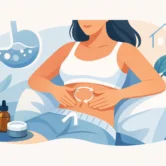


The 3pm energy crash, a suddenly unsettled stomach, sleep that no longer feels restorative, or a cycle that seems less predictable than it once was can all leave you wondering what has changed. A guide to women’s hormonal nutrition should not promise to ‘fix’ every symptom with a seed mix or a supplement. It should help you understand how food, digestion, stress, sleep and life stage work together, so you can make supportive choices with clarity and care.
What hormonal nutrition can and cannot do
Hormones are chemical messengers involved in far more than the menstrual cycle. Oestrogen, progesterone, insulin, cortisol and thyroid hormones influence energy, appetite, mood, sleep, temperature regulation, bowel habits and how the body uses nutrients. Their patterns naturally shift throughout the month and across the decades.
Nutrition gives the body raw materials and steady conditions in which these systems can work. Regular meals can support more stable blood sugar. Adequate protein helps with satiety and tissue repair. Fibre supports bowel regularity and the healthy removal of hormones through the gut. Essential fats are needed for many body processes, while key nutrients such as iron, magnesium, iodine, vitamin D and B vitamins may be particularly relevant at different times.
But nutrition is not a replacement for medical investigation. Heavy bleeding, bleeding between periods, severe pelvic pain, persistent changes in bowel habit, a new breast lump, marked hair loss, unexplained weight change, or low mood that feels overwhelming all deserve prompt clinical advice. Similarly, prescribed medication for thyroid conditions, diabetes, contraception or hormone replacement therapy should never be changed without speaking to your GP or specialist.
The aim is not perfection. It is to create a foundation that makes your body feel more supported and gives you useful information about what may need closer attention.
A guide to women’s hormonal nutrition: start with steadier meals
For many women, the most helpful change is not an extreme elimination plan. It is eating consistently enough to avoid the sharp rise and fall of hunger, energy and cravings.
A breakfast of coffee and toast may carry you through a busy morning, but it can leave the body looking for quick energy later. Equally, skipping lunch because you are busy can make an evening meal feel impossible to manage calmly. Cortisol, the hormone associated with the stress response, is not the enemy. However, a body already coping with poor sleep, work pressure and irregular meals may find these swings more difficult.
Build meals around a source of protein, colourful plants, slow-release carbohydrates and nourishing fats. This might look like eggs with sautéed greens and rye toast; porridge with yoghurt, seeds and berries; lentil soup with a baked potato; or salmon, brown rice and roasted vegetables. The right choice depends on your appetite, preferences, digestive comfort and daily routine.
Carbohydrates are often unfairly blamed for hormonal symptoms. The body needs carbohydrate, particularly when you are active, menstruating, recovering from illness or under sustained pressure. The question is usually quality and balance. Oats, beans, lentils, root vegetables, fruit, wholegrains and pulses provide energy alongside fibre and nutrients. Some people tolerate certain foods better than others, especially when digestion is sensitive, so personal experience matters.
Protein and fats deserve a regular place
Protein at each meal can reduce the tendency to graze on sugar later in the day and may help you feel satisfied for longer. Fish, eggs, Greek yoghurt, poultry, tofu, tempeh, beans and lentils are all useful options. If your appetite is poor in the morning, start gently with yoghurt, a smoothie that includes protein, or eggs on toast rather than forcing a large meal.
Dietary fat is equally valuable. Olive oil, avocado, nuts, seeds, oily fish and full-fat foods where tolerated can make meals more satisfying and help the body absorb fat-soluble vitamins. Very low-fat diets are rarely a helpful long-term answer for women with hormonal concerns, particularly if they are also experiencing fatigue, low mood or irregular cycles.
Support the gut, not just the symptom
Hormonal health and digestive health are closely connected. The gut microbiome, liver and bowel all play a role in processing and eliminating hormones. Constipation may therefore be more than an inconvenience. It can leave you feeling bloated, sluggish and uncomfortable, while also signalling that the basics need attention.
Start with enough fluid, regular meals, gentle movement and a gradual increase in fibre. Vegetables, fruit, oats, flaxseed, legumes and wholegrains can all support regularity, but adding large amounts of fibre too quickly can worsen wind or bloating. If you have a history of IBS, inflammatory bowel disease, endometriosis, coeliac disease or ongoing digestive pain, a more individual approach is wiser.
Food intolerances can also complicate the picture, but they should not be assumed simply because a food is considered ‘healthy’. Removing dairy, gluten, eggs or other staples without a clear reason can make eating more stressful and reduce dietary variety. Thoughtful assessment can help identify patterns while protecting nutritional adequacy and enjoyment of food.
Nourish differently through each life stage
Your needs are not static, and neither is the most appropriate advice.
During reproductive years, iron-rich foods can be especially valuable for women with heavy periods. Red meat, lentils, beans, leafy greens, pumpkin seeds and fortified foods can contribute, though low iron should be confirmed and managed with professional guidance. Pairing plant sources of iron with vitamin C-rich foods, such as peppers, citrus or berries, can support absorption.
In the years leading up to menopause, hormone fluctuations can be more pronounced. Sleep disruption, anxiety, heavier or irregular periods, changing body composition and digestive changes can occur even while periods continue. This is a time to return to foundations: protein, fibre, calcium-rich foods, regular movement and enough food across the day. Under-eating in an effort to control weight can backfire by worsening hunger, energy and stress.
After menopause, heart, bone, muscle and metabolic health become even more central. Resistance exercise, sufficient protein, calcium, vitamin D and colourful plant foods all have a place. Phytoestrogen-containing foods such as soya, flaxseed, chickpeas and lentils may suit some women, but they are not a universal solution. Individual health history, medication and personal tolerance should guide the approach.
Look beyond the plate when symptoms persist
The most carefully planned meals cannot fully compensate for chronic sleep loss, relentless stress or a life lived without pauses. Emotional wellbeing is not separate from physical health. When the nervous system is constantly on alert, digestion can become less efficient, appetite can change and symptoms may feel louder.
Try to make one supportive action achievable rather than setting a demanding new regime. That may be sitting down for breakfast, taking a ten-minute walk after lunch, reducing alcohol if it disrupts sleep or keeping a simple record of your cycle, meals, energy and digestive symptoms. Patterns over several weeks are more informative than judging one difficult day.
A personalised consultation can be particularly helpful when symptoms overlap. Fatigue may relate to sleep, iron status, thyroid health, stress, food choices or digestive absorption. Bloating may be linked to meal timing, constipation, certain foods, hormonal changes or all of these at once. The right support begins by listening carefully rather than treating every woman with the same protocol.
You do not need to earn wellbeing by following a perfect diet. Begin with the next meal, make it nourishing and realistic, and allow your body time to show you what steady, compassionate support can feel like.