

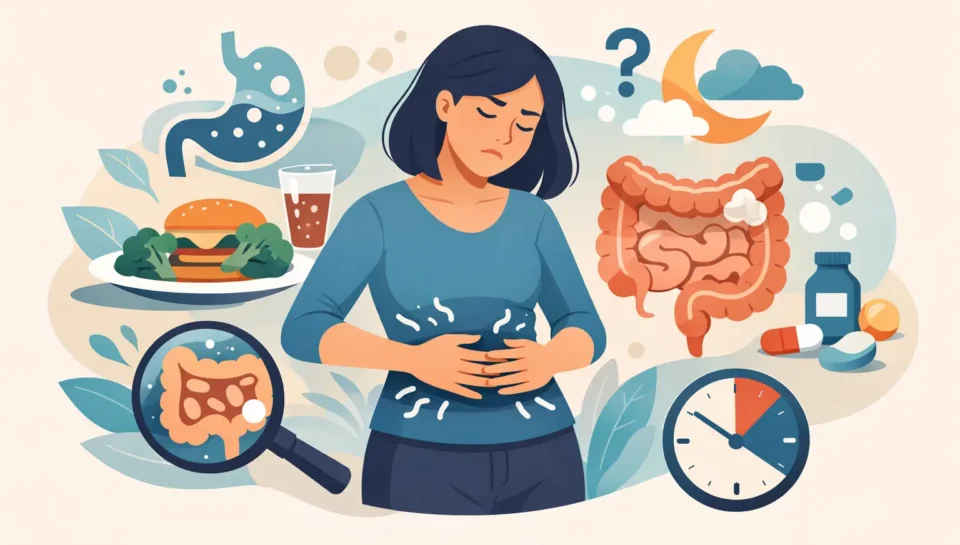
A waistband that feels comfortable in the morning and restrictive by late afternoon can be more than an inconvenience. If you are asking what causes bloating every day, your body may be signalling that something in your food, digestion, lifestyle or hormonal picture needs more attention. Daily bloating is common, but it is not something you should simply learn to put up with.
The aim is not to fear food or chase a quick fix. It is to become curious about patterns, support the digestive system gently and identify the factors that are most relevant to you.
What causes bloating every day?
Bloating is the feeling of pressure, fullness or swelling in the abdomen. Sometimes the stomach visibly expands; at other times, you may feel uncomfortable without seeing much change. It can be caused by trapped gas, constipation, changes in gut movement, fluid retention or sensitivity in the gut itself.
For many people, daily bloating is not down to one single food. It is the result of several small pressures building up: rushed meals, irregular bowel movements, a changing hormone pattern, stress, poor sleep and foods that are difficult for their particular system to process. This is why a personalised approach is usually more helpful than a long list of foods to avoid.
Eating too quickly and swallowing air
Digestion begins before food reaches the stomach. When meals are eaten standing up, between meetings or while feeling tense, we tend to chew less thoroughly and swallow more air. Fizzy drinks, chewing gum, drinking through a straw and talking while eating can add to this.
This may sound simple, but slowing down can make a meaningful difference. Try sitting for meals where possible, taking a few calm breaths beforehand and chewing until food is soft before swallowing. Your digestive system works best when it is not being asked to digest in a state of hurry.
Foods that ferment in the gut
Some foods naturally produce more gas as gut bacteria break them down. Beans, lentils, onions, garlic, wheat-based foods, apples, pears and certain sweeteners can be troublesome for some people, especially if the gut is already irritated or bowel movements are slow.
That does not make these foods unhealthy. Many are rich in fibre and beneficial plant compounds. The question is whether the amount, preparation and frequency are right for you at this point. For example, someone who rarely eats pulses may find a large bean-based meal uncomfortable, while another person thrives on them.
Lactose, the natural sugar in milk, can also cause bloating where it is not fully digested. Dairy is not automatically the problem, but recurring symptoms after milk, creamy sauces, ice cream or soft cheese are worth observing.
Food sensitivities and individual tolerance
A food sensitivity is different from an allergy. Allergies can cause rapid and potentially serious symptoms such as swelling, wheezing or hives and need medical assessment. Sensitivities can be less obvious, sometimes appearing as bloating, altered bowel habits, fatigue, headaches or skin flare-ups.
The difficulty is that symptoms may not appear immediately after eating. A meal you had yesterday, repeated exposure to a food or the overall load on your digestion may be more relevant than the last thing you ate. Keeping a simple food and symptom diary for two weeks can reveal useful clues without becoming obsessive. Note what you ate, when symptoms appeared, your stress level and whether you opened your bowels that day.
If a pattern emerges, avoid cutting out numerous foods alone. Restrictive diets can create anxiety around eating and may leave you short of important nutrients. A guided approach that considers your symptoms, history and reintroduction of foods is safer and more informative.
Constipation can be behind everyday bloating
You do not need to go several days without opening your bowels to be constipated. If stools are hard, difficult to pass, incomplete or much less frequent than is normal for you, waste and gas can linger in the bowel. The result is often a lower-abdominal bloating that worsens as the day goes on.
Low fluid intake, not enough or too much fibre for your current digestion, limited movement, changes in routine and ignoring the urge to go can all contribute. Some medications and supplements can also slow the bowel.
Rather than suddenly adding large amounts of bran or raw vegetables, support the bowel steadily. Warm fluids, regular meals, gentle walking and fibre from foods you tolerate can help. The right level of fibre depends on the individual. If you are very bloated and constipated, adding more fibre without addressing hydration and gut movement may make you feel worse at first.
Stress changes the way you digest
The gut and nervous system are closely connected. When you are under ongoing pressure, the body prioritises alertness over digestion. Stomach acid, digestive secretions and bowel rhythm may all be affected. This can lead to bloating, reflux, cramping or a sensation that food is sitting heavily.
Stress does not mean symptoms are “all in your head”. It means the body is responding intelligently to its environment, even when that response becomes uncomfortable. Emotional strain, grief, caring responsibilities and a relentless schedule can all show up in the digestive system.
A short daily practice can be surprisingly supportive: a ten-minute walk after a meal, a screen-free lunch, gentle stretching or a few minutes of slow breathing. These are not replacements for investigating physical causes, but they create better conditions for digestion to do its job.
Hormones and daily bloating
Many women notice that bloating shifts across the menstrual cycle. Changes in oestrogen and progesterone can affect fluid balance and bowel movement, making the days before a period particularly uncomfortable. Perimenopause can bring a less predictable pattern, alongside sleep disruption, stress sensitivity and changes in body composition.
Hormonal bloating may still be influenced by food, constipation and stress, so it helps to track symptoms alongside your cycle. This gives you a clearer picture than blaming every symptom on hormones or assuming that it is unavoidable.
Bloating can also occur during pregnancy, after childbirth and with conditions such as endometriosis. In these situations, compassionate individual support matters. You deserve care that considers the whole picture rather than dismissing your discomfort as a normal part of being a woman.
Other digestive causes worth exploring
Persistent bloating can sometimes be linked with irritable bowel syndrome, coeliac disease, inflammatory bowel conditions, small intestinal bacterial overgrowth, reflux or changes in the gut microbiome. It may also be affected by antibiotics, acid-suppressing medication, painkillers, iron supplements or metformin.
This does not mean that daily bloating always indicates a serious condition. More often, it reflects a digestive system that needs support and a closer look at its triggers. Yet self-diagnosis can delay appropriate care, particularly when symptoms are new, worsening or affecting your quality of life.
When to speak with your GP
Please seek medical advice promptly if bloating is persistent and unexplained, particularly if it comes with unintentional weight loss, blood in your stool, vomiting, severe or increasing pain, a new change in bowel habit, difficulty swallowing, loss of appetite or unusual tiredness. These symptoms need proper assessment.
It is also sensible to speak with your GP before removing gluten if coeliac disease is a possibility, as testing is most accurate while gluten is still being eaten. For women, ongoing bloating that is new or frequent should not be ignored, particularly with pelvic pain, needing to wee more often or feeling full very quickly.
A kinder way to investigate your bloating
Start by looking for patterns rather than perfection. Notice whether bloating is worse after particular meals, at certain times in your cycle, during stressful weeks or when your bowels are sluggish. Make one or two manageable changes at a time, such as eating more slowly or reducing fizzy drinks, then give your body time to respond.
At Ask Nutrition, the focus is on understanding the person behind the symptom: your diet, digestion, emotional wellbeing, routine and health history. That perspective can help move you away from endless guessing and towards choices that feel realistic for your life.
Your body is not being difficult. Daily bloating is useful information, and with patient observation and the right support, it can become a starting point for feeling more comfortable, energised and at home in yourself.