

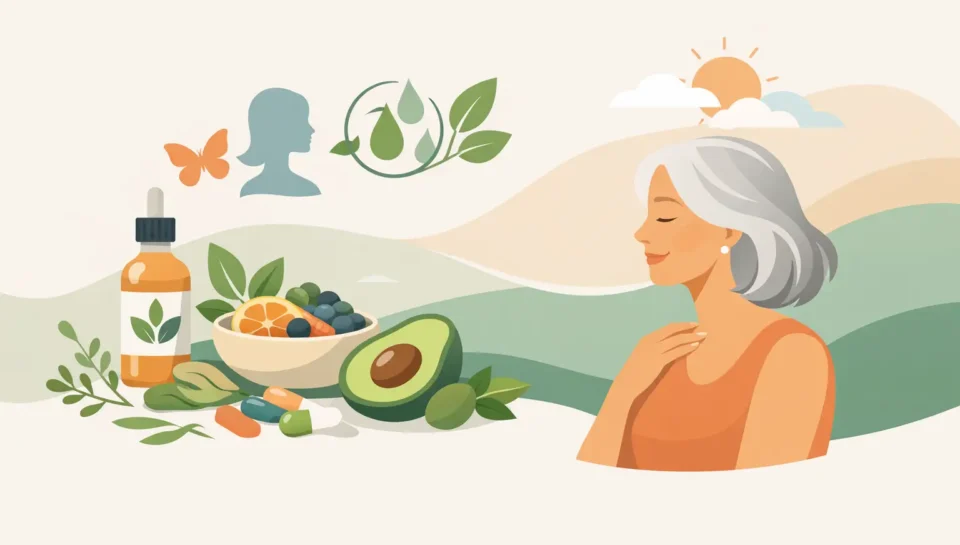
Hot flushes are often the symptom people mention first, yet for many women menopause feels more like a whole-body shift. Sleep becomes lighter, digestion changes, energy dips without warning, and foods you once tolerated may suddenly leave you bloated, foggy or irritable. This is where naturopathic nutrition for menopause can offer something more useful than a one-size-fits-all plan – a calmer, more personalised way to support the body through change.
Menopause is not simply a hormonal event. It affects the nervous system, blood sugar regulation, gut health, inflammation, mood and resilience. That is why nutritional support needs to look at the whole person. When we work naturopathically, we do not just ask what symptoms are present. We ask what systems are under strain, what habits may be adding to that strain, and what the body needs in order to feel steadier.
Why naturopathic nutrition for menopause matters
As oestrogen and progesterone shift, the body often becomes less forgiving. Poor sleep may increase cravings. Unstable blood sugar can worsen anxiety, low mood and afternoon fatigue. Digestive sluggishness may leave you uncomfortable and more reactive to certain foods. If stress is high, symptoms often feel louder.
A naturopathic approach recognises these connections. Instead of isolating hot flushes, weight gain, constipation or brain fog as separate problems, it looks for patterns. For one woman, the priority may be balancing meals to reduce energy crashes and night waking. For another, improving bowel function and supporting liver clearance may make a noticeable difference to hormone-related symptoms. There is rarely a single menopause diet that suits everyone equally.
This is also why quick fixes can disappoint. Removing whole food groups without a clear reason, relying on stimulants to push through fatigue, or chasing the latest supplement trend may leave the deeper causes untouched. Good support is usually gentler and more consistent than that.
The foundations of menopause nutrition
The most effective nutritional support is often built on basics done well. These basics are not glamorous, but they help create stability while hormones fluctuate.
Blood sugar balance
Many menopause symptoms feel worse when blood sugar rises and falls too sharply. Shakiness, irritability, headaches, cravings and poor concentration can all be linked to unstable meals. Starting the day with toast and coffee may be convenient, but it often sets up a mid-morning slump.
A better approach is to build meals around protein, fibre and healthy fats. Eggs with vegetables, natural yoghurt with seeds and berries, or leftovers from the previous evening can all be more supportive than a sugary breakfast. Lunch and supper need the same principle. When blood sugar steadies, women often notice fewer cravings, more even energy and a calmer mood.
Digestive support
Menopause can coincide with bloating, constipation and increased food sensitivity. Sometimes this is due to stress, slower digestion, changes in routine or years of low-grade gut imbalance finally becoming more obvious. If the digestive system is struggling, nutrient absorption may be less efficient and inflammation may rise.
Naturopathic nutrition pays close attention to digestion because it affects everything else. Eating more slowly, chewing properly, reducing ultra-processed foods and including enough water and fibre can help, but fibre is not always the whole answer. If someone is already bloated and constipated, adding bran or large salads may make them feel worse. It depends on the state of the gut. In some cases, cooked vegetables, stewed fruit and gentler fibres are better tolerated while the digestive system settles.
Healthy fats and key nutrients
Hormonal changes can affect skin, joints, mood and brain function, so the quality of dietary fats matters. Oily fish, nuts, seeds, olive oil and avocados can all play a useful role. Alongside this, nutrients such as magnesium, calcium, vitamin D, B vitamins and phytoestrogens may be relevant, depending on the individual.
That said, more is not always better. Supplements should not replace food, and they should not be taken blindly. Some women benefit greatly from targeted support. Others need to begin with digestion, sleep or stress before supplements make much difference.
A whole-person view of symptoms
One of the strengths of naturopathic nutrition for menopause is that it leaves room for complexity. Two women can both say, “I feel exhausted,” and need very different support.
If exhaustion is linked to broken sleep and evening cortisol patterns, the focus may be on calming the nervous system, eating earlier, reducing alcohol and creating a steadier bedtime routine. If low energy comes with heavy periods in perimenopause, nutritional support may need to consider iron status and replenishment. If fatigue sits alongside bloating, skin flares and headaches, food intolerances or gut imbalance may deserve closer attention.
The same applies to weight changes. Many women feel frustrated when body composition alters despite eating no more than before. Hormones, sleep deprivation, stress chemistry and reduced muscle mass can all contribute. A harsh calorie-cutting approach often backfires by increasing cravings and stress. More helpful strategies usually involve improving protein intake, supporting blood sugar, reviewing meal timing and encouraging movement that builds strength rather than punishing the body.
Food sensitivities and menopause
During menopause, women sometimes notice that familiar foods no longer agree with them. This does not always mean a permanent intolerance, but it can be a sign that the body is under pressure. Dairy, gluten, sugar, alcohol and caffeine are common triggers, though assumptions are not enough.
It is easy to become over-restrictive in an effort to feel better. This can create anxiety around food and make everyday life harder than it needs to be. A more measured approach is to identify patterns carefully and make changes with purpose. When food reactions are real, removing the aggravating item for a period can reduce digestive discomfort, headaches, skin issues and fatigue. When the problem is more about stress, poor digestion or meal imbalance, the solution may be broader than simply eliminating foods.
This is where personalised guidance can be especially valuable. At Ask Nutrition, the emphasis is always on understanding why symptoms are happening, not just what to cut out.
Lifestyle is part of the nutritional picture
No nutritional plan works in isolation. Menopause is deeply affected by how you live as well as what you eat.
Stress has a direct impact on digestion, sleep, cravings and hormone perception. When the nervous system is constantly activated, the body is less able to rest, repair and regulate. Gentle breathing practices, walking, time outdoors and reducing overstimulation in the evening may sound simple, yet they can shift symptoms significantly.
Sleep deserves special attention. If nights are broken, appetite hormones, mood and resilience are all affected the next day. Alcohol may seem to help you unwind, but for many women it worsens night sweats and early waking. Caffeine can also become less well tolerated, particularly in the afternoon. These are not universal rules, but they are common patterns worth noticing.
Movement is equally important. During and after menopause, strength training becomes increasingly valuable for bone health, insulin sensitivity, confidence and long-term vitality. That does not mean everyone needs intense gym sessions. The best form of exercise is the one that supports rather than depletes you.
When personalised support makes the difference
General advice can be helpful, but menopause is rarely general. If symptoms are persistent, confusing or affecting your quality of life, it is worth looking more deeply. A personalised naturopathic nutrition approach considers your history, digestion, emotional wellbeing, eating habits, stress load and possible food reactions.
This matters because symptoms often overlap. Brain fog may be related to sleep, blood sugar or inflammation. Bloating may be linked to food intolerance, low stomach acid, stress or bowel sluggishness. Low mood may be influenced by hormones, but also by nutrient depletion, isolation and exhaustion. Good care joins these dots with compassion.
There is also room for integration. Some women use naturopathic support alongside medical care, and that can be entirely appropriate. Natural approaches do not need to be positioned against conventional medicine to be effective. Often the best path is the one that is informed, balanced and tailored to your needs.
Menopause asks for a different kind of listening. Not fear, not perfection, and not a battle with your body. With the right nutritional support, this stage can become an opportunity to rebuild steadier energy, better digestion and greater self-understanding. Start with what your body is telling you, respond with patience, and let nourishment become a form of support rather than another demand.